
Should You Use Medication to Treat Anxiety? | Safe and Sound
Many people with anxiety disorders wonder whether they should take medication or explore alternative methods. According to psychiatrists, medication is an important solution, but it's crucial to understand its effects, side effects, and other options to make an informed decision. This article will help you understand the details and receive the best support from mental health professionals and psychiatrists.
Nguyen Hoang Nguyen | Master of Science, Doctor - Safe and Sound Mental Health Care Application
Institute of Applied Medical Technology (IMT)
1. What is an anxiety disorder?
According to psychiatrists and psychologists, anxiety disorders are a group of mental disorders characterized by excessive and persistent feelings of anxiety and fear that are inappropriate to the actual circumstances. These symptoms not only affect mental health but also cause problems with physical and social functioning.
Common types of anxiety disorders
- Generalized anxiety disorder: Persistent feelings of anxiety about a variety of things without a specific reason.
- Panic disorder: Sudden, intense panic attacks accompanied by symptoms such as rapid heartbeat, shortness of breath, and a feeling of loss of control.
- Social anxiety: An excessive fear of participating in social situations, a fear of being judged or criticized.
- Specific phobias: Extreme fear of a particular object or situation, such as fear of heights, fear of animals, or fear of flying.
Psychiatrists and psychologists emphasize that if left untreated, anxiety disorders can lead to more serious problems such as depression, sleep disorders, or substance addiction.
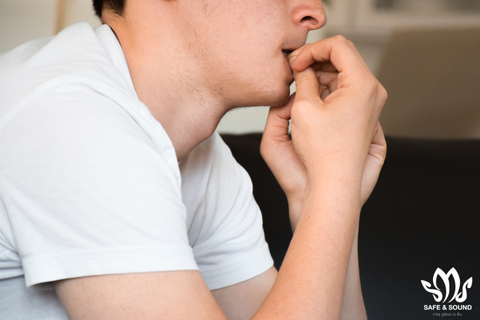
Generalized anxiety disorder causes patients to experience constant anxiety, affecting their social relationships.
2. Medications for anxiety disorders and their mechanisms of action
Medication is one of the effective methods to reduce anxiety symptoms and improve the quality of life for patients. Psychiatrists often prescribe medications based on the specific condition of each individual. Common groups of medications used to treat anxiety disorders include:
- Antidepressants
Antidepressants, particularly selective serotonin reuptake inhibitors (SSRIs) such as sertraline or fluoxetine, are commonly used to treat anxiety disorders. SSRIs increase serotonin levels in the brain, which can improve mood and reduce anxiety.
- Sedatives
Benzodiazepines, such as lorazepam or diazepam, are used by psychiatrists in acute cases when patients experience panic attacks. These medications increase the activity of GABA (a neurotransmitter) in the brain, which helps reduce stress and promote relaxation.
- Beta-blockers
Propranolol is a beta-blocker commonly used to control the physical symptoms of anxiety, such as rapid heartbeat or tremors. It reduces the stimulation of the sympathetic nervous system, decreasing the physical responses of anxiety.
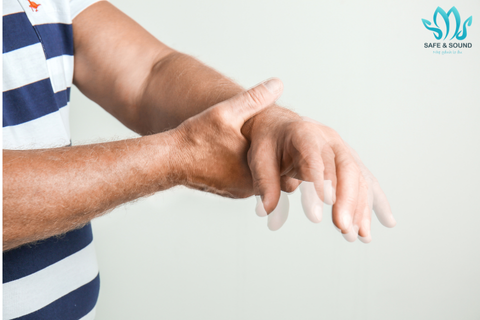
Beta-blockers help patients reduce symptoms such as sweating and tremors.
- Antipsychotic drugs
Some antipsychotic medications, such as quetiapine, are commonly used by psychiatrists in cases of severe anxiety disorders or in combination with other mental disorders. These medications regulate neurotransmitters, helping to reduce feelings of anxiety and stabilize mood.
Psychologists emphasize that medication use must be prescribed and closely monitored by a psychiatrist to ensure effectiveness and safety.
3. Side effects of anxiety disorder medication
Although medications are remarkably effective in reducing anxiety symptoms, they can also cause unwanted side effects. According to psychiatrists, understanding these side effects is essential so that patients can make informed decisions about medication use.
Common side effects
- Antidepressants: May cause nausea, insomnia, or weight gain. In rare cases, patients may experience increased anxiety during the initial period of use.
- Mild sedatives: May cause drowsiness, dizziness, or difficulty concentrating. Prolonged use can lead to dependence and abuse.
- Beta-blockers: May cause low blood pressure, fatigue, or a feeling of coldness in the hands and feet.
- Antipsychotic medications: Some side effects include weight gain, dry mouth, or changes in metabolic function.

Anxiety disorder medications can cause discomfort for patients due to a number of side effects.
Psychologists emphasize the importance of immediately notifying a psychiatrist of any side effects. The psychiatrist will adjust the dosage or change the type of medication accordingly. Psychologists will support patients by exploring supportive therapies and encouraging them to continue treatment even when experiencing side effects.
4. Alternative treatment methods
In addition to medication, alternative treatments are also recommended by psychologists and psychiatrists to help patients improve their anxiety disorders safely and sustainably.
- Psychotherapy
- Cognitive behavioral therapy (CBT): A psychologist helps patients identify and change negative thoughts that cause anxiety. This is an effective method, often used in conjunction with medication.
- Exposure therapy: Used by psychologists to treat specific phobias, helping patients gradually confront and overcome their fears.
- Lifestyle changes
- Regular exercise: Aerobic exercises such as jogging, yoga, or swimming can help reduce stress and improve mood.
- Relaxation techniques: Meditation, deep breathing, or body relaxation exercises can all help reduce anxiety naturally.
- Use complementary therapies
- Music therapy: Listening to relaxing music or participating in musical activities can help reduce stress.
- Herbal remedies: Certain herbs, such as chamomile or passionflower, have been shown to have mild anxiety-reducing effects.
- Support from the community
- Support groups: Joining support groups can help patients share experiences and find empathy from others who are facing similar issues.
- Family support: Families play a crucial role in creating a safe environment and encouraging patients to overcome difficulties.
Psychiatrists and psychologists emphasize that a combination of these methods is optimally effective, helping patients manage anxiety disorders without relying entirely on medication.
5. How does Safe and Sound support people with anxiety disorders?
To provide the best possible psychological counseling, support, and therapy for clients, doctors from Safe and Sound will conduct a phone call to discuss the client's current disorder. Based on the information gathered, the doctor will develop a plan and connect with mental health professionals to create the most appropriate treatment regimen for patients experiencing anxiety disorders.
Safe and Sound Clinic - Family mental and health support
With a team of experienced doctors and specialists, Safe and Sound Clinic is a pioneer in comprehensive healthcare, offering services ranging from medical to psychological care.
"Early preparation - Timely support - Long-term partnership."
.png)
If you suspect or experience any physical or mental health problems, please contact our HOTLINE at 0964 778 911 (Phone/Zalo, 24/7) for prompt assistance and answers!
HOW TO SCHEDULE AN APPOINTMENT for online or in-person consultation with a specialist.
- At the SnS Clinic - IMT Institute
- Alternatively, download and schedule a consultation on the Safe and Sound app to manage and track your appointments anytime, anywhere.
Safe and Sound (SnS) - part of the Institute of Applied Medical Technology (IMT)
See more:
When should you see a doctor for anxiety disorders?
How does the 4-7-8 breathing technique reduce stress and anxiety?
